
Analog vs. Digital Audio Recording: Which is better?
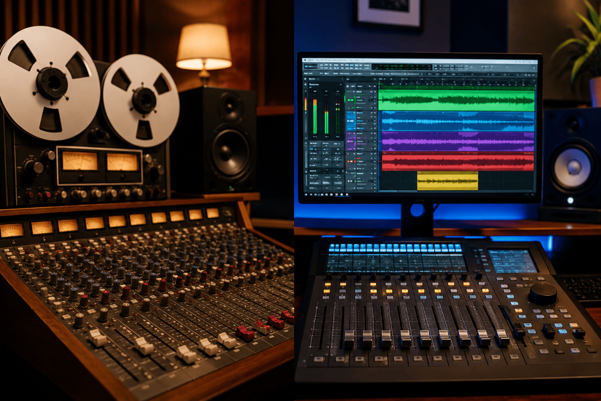
Every amazing song, podcast, or voice recording starts with one important choice. Should you use analog or digital recording?
Many beginners and professionals wonder about Analog vs digital recording for music production because both methods can create excellent results. Each recording style has its own benefits and works well for different projects.
In this guide, you will learn how both methods work, how they are different, and how to choose the right option for your recording needs.
What Is Analog Audio Recording?
Analog audio recording captures sound as smooth and continuous sound waves. It usually records the sound on magnetic tape instead of storing it as computer files.
Many musicians love analog recording because it creates a warm and natural sound. It can also add a soft and pleasant tone that makes music feel more alive.
Benefits of Analog Audio Recording
Warm and rich sound
Natural listening experience
Smooth recording quality
Great for classic music styles
Things to Consider
Equipment can cost more.
Tape needs proper care.
Editing takes more time.
Recording is slower than digital.
Many singers still choose Analog recording for vocals because it gives their voice a full and smooth sound.
Recent Blog: Top 10 Mixing Mistakes That Kill Your Mix
What Is Digital Audio Recording?
Digital audio recording changes sound into digital information that computers can save and edit. Today, almost every computer, audio interface, and recording software uses this method.
Digital recording makes it easy to record, edit, copy, and share audio without losing quality.
Benefits of Digital Recording
Clear and detailed sound
Easy editing
Quick saving and sharing
Lower recording costs
Perfect for modern music production
It is also the top choice for Digital recording for podcasts because it helps creators record clear voices and edit mistakes quickly.
Analog vs. Digital Audio Recording: Key Differences
Both recording methods have their own advantages. Here is a simple comparison.
| Feature | Analog Recording | Digital Recording |
|---|---|---|
| Sound | Warm and natural | Clear and accurate |
| Editing | Harder to edit | Very easy to edit |
| Storage | Magnetic tape | Computer files |
| Cost | Usually higher | Usually lower |
| Noise | More background noise | Very little noise |
| Speed | Slower process | Faster process |
When people compare Analog vs digital recording for music production, they often choose based on the type of sound they want.
Which Recording Method Sounds Better?
Many people ask, this question. There is no single answer because everyone likes different types of sound.
· Analog recording adds warmth and a soft tone that many musicians enjoy.
· Digital recording gives clean and detailed sound that stays the same every time you play it.
If you love vintage music, analog may be the better choice. If you want easy editing and clear sound, digital is usually the better option. Many professional studios use both methods together to get the best results.
FAQ
-
Description text goes hereAnalog recording stores sound as continuous sound waves on tape. Digital recording changes sound into computer data that can be saved, edited, and shared easily.
-
Both sound great. Analog sounds warm and natural. Digital sounds clean, detailed, and accurate. The better choice depends on your project.
Choosing the Best Recording Technology for Different Projects
The Best recording technology depends on what you are recording.
1. Music Production
Many music producers record using digital software because it is fast and easy to edit. Some also use analog equipment to add warmth before finishing the song digitally.
2. Vocal Recording
Many singers enjoy Analog recording for vocals because it creates a smooth and rich voice. Digital recording is also popular because it allows quick editing and better control.
3. Podcast Recording
For podcasts, digital recording is the best choice. It makes editing simple and helps remove unwanted sounds. That is why Digital recording for podcasts is used by most podcast creators today.
4. Home Studios
Today, home studio music production in the USA has become easier than ever. Affordable computers, microphones, and recording software help musicians create professional-quality recordings from home.
Best Recording Method for Musicians
The Best recording method for musicians depends on several things.
Think about these questions.
What type of music do you create?
What is your budget?
Do you need easy editing?
Do you want a warm or clean sound?
Rock, jazz, and blues musicians often enjoy analog recording because of its warm sound.
Pop, hip-hop, and electronic music producers usually prefer digital recording because it is flexible and fast.
Many artists use both analog and digital equipment together to enjoy the benefits of each method.
Mixing and Mastering Complete the Recording
Recording is only the beginning of creating great audio. Professional mixing and mastering for artists help make every song sound balanced and polished. Mixing adjusts the volume of instruments and voices so everything sounds clear.
Mastering prepares the final recording so it sounds great on speakers, headphones, phones, and streaming platforms. Even the best recording can sound much better after good mixing and mastering.
FAQ
-
Yes. Many recording studios still use analog equipment because musicians enjoy its warm and natural sound. Many professionals also combine analog recording with digital editing.
-
Many audiophiles enjoy analog audio because they believe it sounds smoother, warmer, and closer to a live performance.
Analog or Digital: Which One Should You Choose?
There is no perfect answer for everyone. If you want classic sound and natural warmth, analog recording is a great choice. If you want simple editing, fast recording, and clear sound, digital recording is the better option.
Many recording professionals use both methods together. This gives them the warmth of analog recording and the flexibility of digital editing. Choosing the right recording method depends on your goals and the type of sound you want to create.
FAQ
-
Yes. Analog recording naturally adds gentle warmth and richness that many people enjoy hearing in music and vocals.
-
Yes. Digital recording captures sound very clearly and keeps the quality the same every time you copy or play the recording.
Get in Touch with Us!!
Choosing between analog and digital recording depends on your goals, budget, and the type of sound you want to create. Both methods have unique strengths, and each can help you produce high-quality audio when used correctly.
Whether you are recording music, vocals, or podcasts, understanding your options makes it easier to achieve professional results. At Richard Schulte, I help artists and creators choose the best recording technology and deliver recordings that sound polished, clear, and ready to impress.
